Lead-Free Brass Valve and Water Meter Components
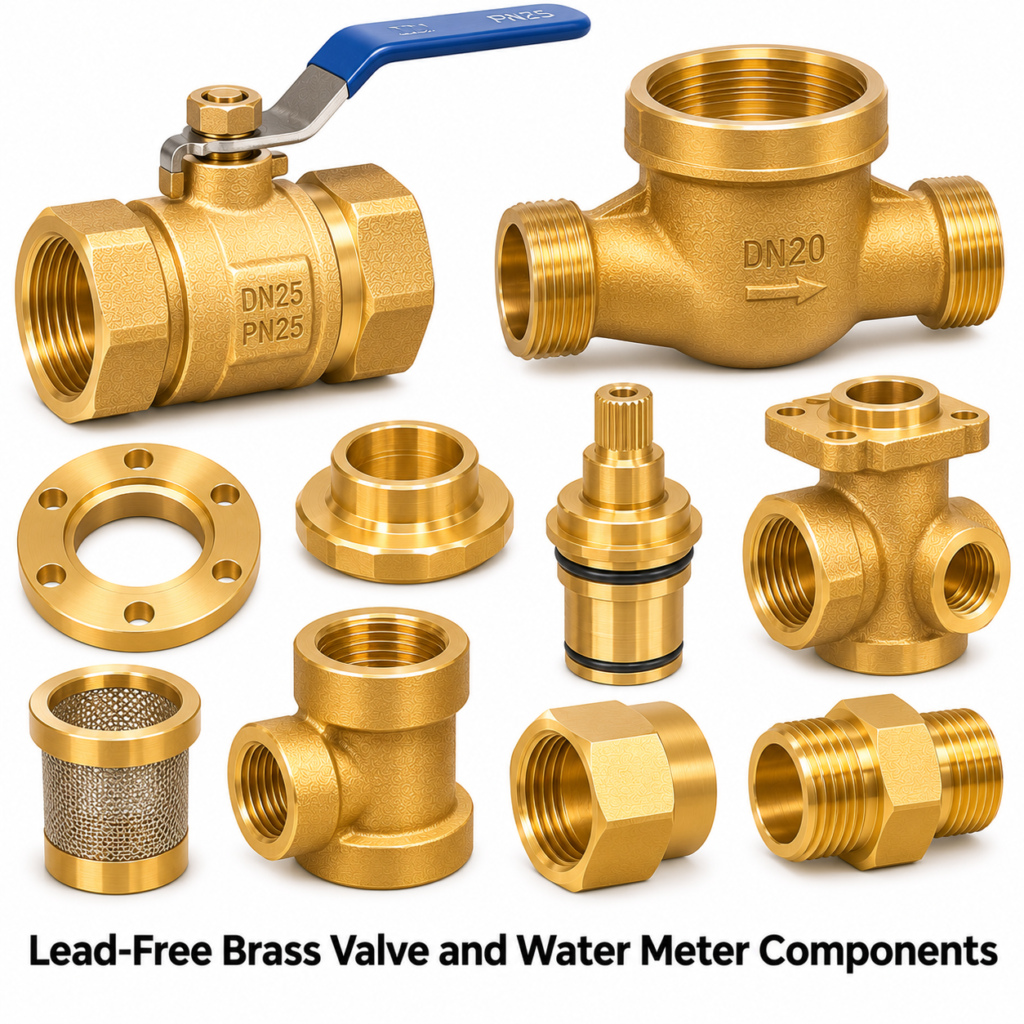
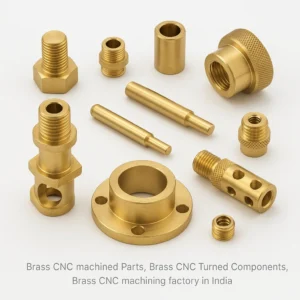
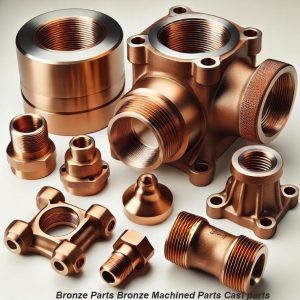
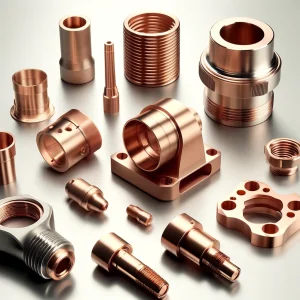
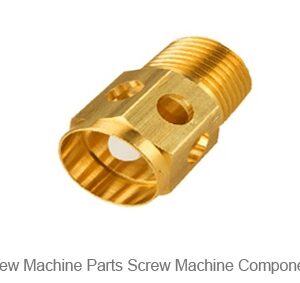
Conex Screws manufactures lead-free brass valve and water meter components in Jamnagar, Gujarat, India, for OEMs, EPC contractors, utilities and industrial distributors. The range includes turned brass valve stems, machined brass valve seats, brass valve bonnets and retainers. Drawings determine the alloy, production route, interfaces, finish and inspection criteria. Reference price US$ 14.50/kg.
Product Overview
Turned Brass Valve Stems
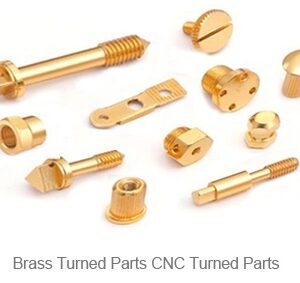
Turned Brass Valve Stems serve control valve and shutoff assemblies. Typical drawing features include seal diameters, operating threads and wrench flats. During feasibility review, Conex Screws checks stem guidance and gland sealing against the proposed blank and the sequence used to cut the finished surfaces. The RFQ should identify the mating component, the functional datum and the dimensions that will be inspected at assembly. The drawing should call out shaft runout and seal journal finish where it controls performance. Include the end-use environment and how the mating part is installed or serviced. When the machining sequence can keep mating features in one setup, locate those features from the same functional datum on the drawing.
Machined Brass Valve Seats
Machined Brass Valve Seats serve replaceable valve trim. Typical drawing features include conical seats, bore transitions and locating shoulders. During feasibility review, Conex Screws checks contact band uniformity and concentricity against the proposed blank and the sequence used to cut the finished surfaces. The RFQ should identify the mating component, the functional datum and the dimensions that will be inspected at assembly. The drawing should call out seat angle and seal finish where it controls performance. Include the end-use environment and how the mating part is installed or serviced. If a drawing has several acceptable process routes, identify which surfaces may carry chuck witness marks and which must be protected.
Brass Valve Bonnets and Retainers
Brass Valve Bonnets and Retainers serve serviceable valve assemblies. Typical drawing features include cover threads, counterbores and gasket shoulders. During feasibility review, Conex Screws checks gland alignment and clamping height against the proposed blank and the sequence used to cut the finished surfaces. The RFQ should identify the mating component, the functional datum and the dimensions that will be inspected at assembly. The drawing should call out thread-to-bore runout and shoulder depth where it controls performance. Include the end-use environment and how the mating part is installed or serviced. For two-ended parts, show which end controls the axial datum and which features must remain aligned after transfer to a second setup.
Water Meter Inserts and Sleeves
Water Meter Inserts and Sleeves serve meter OEM production. Typical drawing features include meter chamber shoulders, bores and annular grooves. During feasibility review, Conex Screws checks rotor clearance and register location against the proposed blank and the sequence used to cut the finished surfaces. The RFQ should identify the mating component, the functional datum and the dimensions that will be inspected at assembly. The drawing should call out bore roundness and register depth where it controls performance. Include the end-use environment and how the mating part is installed or serviced. Define the surface that carries the assembled load and show the minimum finished section through the loaded area.
Meter Spuds and End Connections
Meter Spuds and End Connections serve meter inlet and outlet assemblies. Typical drawing features include threaded ends, gasket faces and wrench flats. During feasibility review, Conex Screws checks connection fit and gasket compression against the proposed blank and the sequence used to cut the finished surfaces. The RFQ should identify the mating component, the functional datum and the dimensions that will be inspected at assembly. The drawing should call out thread position and face squareness where it controls performance. Include the end-use environment and how the mating part is installed or serviced. Where internal geometry limits probe access, agree on a functional gauge or a sample section before the inspection plan is released.
Flow-Control Orifice Components
Flow-Control Orifice Components serve flow measurement and regulating assemblies. Typical drawing features include drilled orifices, short transitions and retaining features. During feasibility review, Conex Screws checks burr condition and dimensional flow variation against the proposed blank and the sequence used to cut the finished surfaces. The RFQ should identify the mating component, the functional datum and the dimensions that will be inspected at assembly. The drawing should call out orifice diameter and edge profile where it controls performance. Include the end-use environment and how the mating part is installed or serviced. Where a recess or cross passage traps chips, specify the accessible cleaning route and the end condition needed for assembly.
Key Features
- Drawing-based CNC turning, Swiss turning and secondary machining where suited to the part.
- Material grades specified by designation, bar condition and governing product specification.
- Dimensional inspection for functional fits, threads, bores, shoulders and locating features.
- Surface finish, edge breaks, plating and cleanliness defined by the application.
- First-article samples, lot identification and production inspection records by agreement.
Material Traceability for Turned Brass Valve Stems
Start the order with the exact alloy designation, product form and material specification. Each material certificate should be traceable to the production lot when the order requires it. For turned brass valve stems, verify shaft runout and seal journal finish on the first samples and record stem guidance and gland sealing in the control plan. If chemistry or temper is critical, include the acceptance range, sampling plan and document format on the purchase order. Keep any customer-approved substitution tied to the drawing revision.
Datum and Tolerance Control for Machined Brass Valve Seats
Use the face or bore that seats in the assembly as a drawing datum. A consistent reference allows the supplier and incoming inspection team to reproduce measurements of seat angle and seal finish. For features such as conical seats, bore transitions and locating shoulders, specify geometric tolerance only where it controls alignment, fit or interchangeability. Identify whether the feature is measured in the free state, under restraint or after assembly. A documented setup is especially useful where a thin section can shift under clamping load.
Thread and Fit Inspection for Brass Valve Bonnets and Retainers
Identify the thread system and edition, diameter, pitch, class, hand and required engagement. For tapered threads, state the applicable gauge plane or stand-off requirement. A working gauge can confirm functional fit, while separate measurements establish thread-to-bore runout and shoulder depth. Where threads are part of a load path, identify the mating fastener, assembly torque or clamping load and any validation needed for the assembled joint. Define thread condition after finishing when a coating is specified.
Surface Finish and Edge Condition for Water Meter Inserts and Sleeves
Surface finish and deburring requirements should follow the function of each surface. Where rotor clearance and register location affects the assembly, mark the relevant location and specify the allowable edge break, finish parameter and visual acceptance criteria. For sealing, bearing or contact faces, identify the limits on tool marks, burrs and coating buildup. For internal surfaces, tell the inspection team which areas must be examined by magnification, functional gauge or an agreed sectioning method.
Secondary Machining for Meter Spuds and End Connections
Machined details such as threaded ends, gasket faces and wrench flats may need more than one setup. When a feature is indexed or transferred, specify its position from the datums that survive the transfer. Document the expected burr condition at intersecting features and indicate any areas requiring additional deburring or cleaning. For meter inlet and outlet assemblies, confirm thread position and face squareness at first article and after any process change that could affect the same features.
Lot Release for Flow-Control Orifice Components
Set a measurable lot release criterion for orifice diameter and edge profile. A supplier inspection report can tie measured values to part number, drawing revision, instrument and batch where required. Agree the quantity and method for first article samples, the recurring sampling approach and any buyer-mandated retention period. Specify packaging and handling for features exposed to damage in transit. State whether samples are representative of the same material, setup and finish as production.
Technical Specifications
| Characteristic | RFQ specification | Verification |
|---|---|---|
| Material | C69300 / CW724R, or a drawing-approved low-lead grade | Material certificate and batch identification |
| Stock form | Round, hex or a drawing-approved profile. Identify temper and standard. | Incoming material and dimensional records |
| Drawing dimensions | State metric or inch units, critical fits, datums and tolerances. | Dimensional report using agreed datums |
| Threads | Metric, Unified, NPT, BSPP or BSPT when applicable. Define class or gauge plane. | Calibrated functional gauges as applicable |
| Surface finish | Specify Ra where needed and show measurement locations. | Surface profilometry or agreed comparison method |
| Coating | As-machined or drawing-defined finish. Identify thickness and masking. | Coating record and finished dimensional check |
| Special tests | Leak, electrical, mechanical or corrosion tests where applicable. | Defined conditions and agreed pass criteria |
Dimensions are reviewed against drawing geometry, the stock form and the proposed setup. Very thin walls, deep bores, intersecting holes and tight relationships between opposite ends can affect the feasible route. For a target fit, supply both mating dimensions and the intended assembled condition. Identify the tolerance stack, the direction of assembly and whether coating, molding or press installation changes the dimension that controls function.
Raw Material Grades and International Designations
| UNS or EN designation | Material description | Specification review |
|---|---|---|
| UNS C69300 | Wrought silicon brass | Confirm the grade, bar condition and governing specification for the order. |
| EN CW724R / CuZn21Si3P | Wrought silicon brass | Common international cross-reference for C69300 bar. Verify requirements by product form and edition. |
| EN CW511L / CuZn38As | Low-lead DZR brass | Separate alloy. Review chemistry, mechanical condition and any specified dezincification criteria. |
CW511L can be considered where the drawing defines CuZn38As and the applicable DZR test criteria. Grade selection should account for the part’s operating environment, mechanical load, mating metals and any wetted surfaces. For dual-designation orders, list both specifications and indicate which applies if there is a discrepancy. Where a particular chemistry limit applies, record it on the order and identify the supporting test or certificate. For electrical parts, include electrical performance requirements separately from alloy chemistry.
Product Types and Variants
| Variant | Drawing features | Inspection focus | Application |
|---|---|---|---|
| Turned Brass Valve Stems | seal diameters, operating threads and wrench flats | shaft runout and seal journal finish | control valve and shutoff assemblies |
| Machined Brass Valve Seats | conical seats, bore transitions and locating shoulders | seat angle and seal finish | replaceable valve trim |
| Brass Valve Bonnets and Retainers | cover threads, counterbores and gasket shoulders | thread-to-bore runout and shoulder depth | serviceable valve assemblies |
| Water Meter Inserts and Sleeves | meter chamber shoulders, bores and annular grooves | bore roundness and register depth | meter OEM production |
| Meter Spuds and End Connections | threaded ends, gasket faces and wrench flats | thread position and face squareness | meter inlet and outlet assemblies |
| Flow-Control Orifice Components | drilled orifices, short transitions and retaining features | orifice diameter and edge profile | flow measurement and regulating assemblies |
Industrial Applications
| Buyer | Typical use | Information to include |
|---|---|---|
| Electrical OEM | Connector, terminal, enclosure or equipment hardware where specified. | Mating interface, current or contact requirement if applicable, and finish. |
| EPC contractor | Drawing-based equipment or instrumentation parts for project packages. | Service fluid, assembly envelope, material specification and inspection plan. |
| Power utility | Specified hardware for approved equipment designs and spare assemblies. | Utility drawing, revision, lot documentation and acceptance criteria. |
| Industrial distributor | Stocked drawing-based parts or repeat-release supply. | Part numbering, packaging quantities, labelling and forecast. |
For control valve and shutoff assemblies, identify who owns the assembly drawing and the inspection decision. If the part is bought as a replacement, confirm the revision and supply a drawing or an approved inspection sample with the RFQ. For repeated distribution orders, define packaging, marking, inventory releases and any requirements for retaining traceability through repacking. Conex Screws can review these conditions alongside the geometry before quotation.
Manufacturing Process
- Drawing and material review. Compare the part geometry with the requested grade and bar form. Identify the critical interface, inspection datums and any surfaces that require special handling.
- Machining route. Choose a CNC turning or Swiss turning route suited to the geometry. Plan facing, boring and thread operations to control stem guidance and gland sealing.
- Secondary operations. Add cross drilling, slotting, milling, tapping or knurling where specified. Check edge access and allow for deburring of intersecting features.
- Finishing and cleaning. Apply the specified finish. Confirm clean passages, protective packaging and surface condition where the assembly requires them.
- Inspection and lot release. Verify key dimensions and gauge results against the drawing and retain agreed records for the production lot.
For repeat supply, changes in raw material form, fixturing, tooling sequence or coating can affect a dimension the buyer considers critical. Identify the changes that require notification and specify any repeat sampling requirement on the purchase order. Use the same part number and drawing revision across the order, report and package marking so the receiving team can verify the lot without relying on descriptions alone.
Quality Standards and Certifications
Reference the material standard on the drawing and specify the relevant edition where requirements have changed. For EN rod, use the product-form specification that applies to the ordered stock. For DZR testing, define the relevant ISO 6509 method and acceptance criterion when applicable. For potable-water applications, identify any applicable NSF/ANSI/CAN 61 or NSF/ANSI/CAN 372 certification requirements for the specific finished product or assembly. Supply any customer-specific test plan and required certificate scope during quotation.
Inspection planning can include dimensional reports, material traceability, first-article checks and coating records as agreed. State whether the buyer requires third-party testing, a specific test laboratory or customer approval before a batch is released. A certificate should identify the item, lot, applicable standard and revision as required by the order. If the part is used in a certified assembly, the buyer should identify which assembly approval governs the finished configuration.
Why Choose Conex Screws
Conex Screws reviews the material designation, machining route and measurement method together during RFQ preparation. For parts such as machined brass valve seats, this links contact band uniformity and concentricity to the inspection plan and the mating condition. Buyers can request a single drawing review covering stock form, tooling access, finishes, documentation and repeat-order requirements. A shared revision and a defined sample approval process give sourcing, engineering and quality teams the same basis for release.
Frequently Asked Questions
What does Conex Screws manufacture in this product family?
The family covers turned brass valve stems, machined brass valve seats, brass valve bonnets and retainers, water meter inserts and sleeves, meter spuds and end connections, flow-control orifice components. Share the part drawing and mating conditions so the quote can identify the appropriate route, stock form and verification plan. A drawing may combine features from several variants.
Which brass grade should I specify?
The primary option for this page is C69300 / CW724R, or a drawing-approved low-lead grade. CW511L can be considered where the drawing defines CuZn38As and the applicable DZR test criteria. Specify the complete grade, material standard and product form in the RFQ. If multiple grades are approved, list them separately with the acceptance requirements for each.
How is the price applied?
The listed price is US$ 14.50/kg. Share annual demand, release quantities, material, drawing and finish so Conex Screws can confirm a production quotation and any inspection, tooling or packing requirements. State whether the purchase quantity is requested by piece or by weight.
What drawing details are needed to quote?
Send a revision-controlled 2D drawing and a model if available. Include datums, material, thread callouts, critical dimensions, edge breaks, finish and acceptance tests. Add the application, receiving market, expected production volumes and requested shipment quantities. Identify the controlling document if model and drawing differ.
Can Conex Screws use a different alloy designation?
A change needs buyer review of chemistry, condition, physical properties and the relevant material specification. Indicate which designations the drawing allows and whether customer approval is required before purchase. A published grade cross-reference is a starting point for that comparison.
Can I request first-article inspection?
Include the sample quantity, report format and critical characteristics in the RFQ. Identify characteristics such as shaft runout and seal journal finish and bore roundness and register depth on the drawing. Agree on acceptance and the sequence for releasing production before repeat batches are scheduled.
How do I specify finish or plating?
Define the base material, coating system, coating thickness, surfaces to coat or mask and appearance limits. Mark whether critical dimensions apply before or after finishing. Include any inspection test, test frequency and measurement location for the coating.
What documents can accompany each shipment?
Request the lot traceability, material certificate, dimensional report, coating record and test results the contract requires. Agree the document format and which records must accompany each release. Provide customer-specific forms during RFQ review.
Can I specify a compliance or performance test?
Yes. Define the test standard, edition, test article, conditions and acceptance limit for quotation review. If testing applies to the assembled product, identify the hardware, sealing method and test fixture. Regulatory certifications should be specified for the actual part or assembly and destination market.
International Sourcing Terms
| Language | Search terms |
|---|---|
| Spanish | componentes de válvula de latón sin plomo; piezas de contador de agua; asientos de válvula |
| Russian | детали клапанов из бессвинцовой латуни; детали водосчётчиков; сёдла клапанов |
| French | composants de vannes en laiton sans plomb; pièces de compteurs d’eau; sièges de vanne |
| Portuguese | componentes de válvulas de latão sem chumbo; peças de hidrômetros; sedes de válvula |
| Italian | componenti per valvole in ottone senza piombo; parti per contatori dell’acqua; sedi valvola |
Request a Drawing-Based Quote
Send Conex Screws your drawing, target alloy, annual demand and release quantity. Include any mating part details, coating requirements and inspection documents for a production quote. Email sales@conexscrews.com with the part number and drawing revision.